Physical Therapy and Rehabilitation in Istanbul: A Complete Guide for International Patients
Physical therapy and rehabilitation in Istanbul for international and English-speaking patients: the conditions we treat, our methods, costs, and how to book at our Şişli clinic.
Contents
- 1Physical Therapy and Rehabilitation: The Essentials
- 2Conditions We Treat
- 3A Closer Look at the Problems We See Most
- 4Our Treatment Methods and Technology
- 5Why Istanbul for Physical Therapy
- 6English-Speaking Physiotherapy for Expats and International Patients
- 7What to Expect: Your Treatment Journey
- 8How Many Sessions and What Does It Cost
- 9Insurance, Receipts and Payment for International Patients
- 10Our Clinic in Şişli / Mecidiyeköy
- 11How to Book an Appointment
- 12Planning Your Visit: Practical Tips for International Patients
- 13When to See a Doctor First
- 14A Final Word
If you are looking for physical therapy in Istanbul — whether you live here as an expat, you are visiting the city, or you are travelling specifically for treatment — this guide is written for you. It explains what we do at Fizyoterapi Center, the conditions we treat, the methods we use, and exactly what to expect as an international or English-speaking patient. Our clinic is in Şişli / Mecidiyeköy, on the European side of Istanbul, and we work directly in Turkish, English and Arabic.
We will be honest with you throughout. Physiotherapy is not a magic fix, and we never promise a guaranteed cure or a fixed number of sessions before we have seen you. What we can promise is a careful assessment, a plan built around your specific problem and goals, and clear communication in a language you actually understand.
Physical Therapy and Rehabilitation: The Essentials
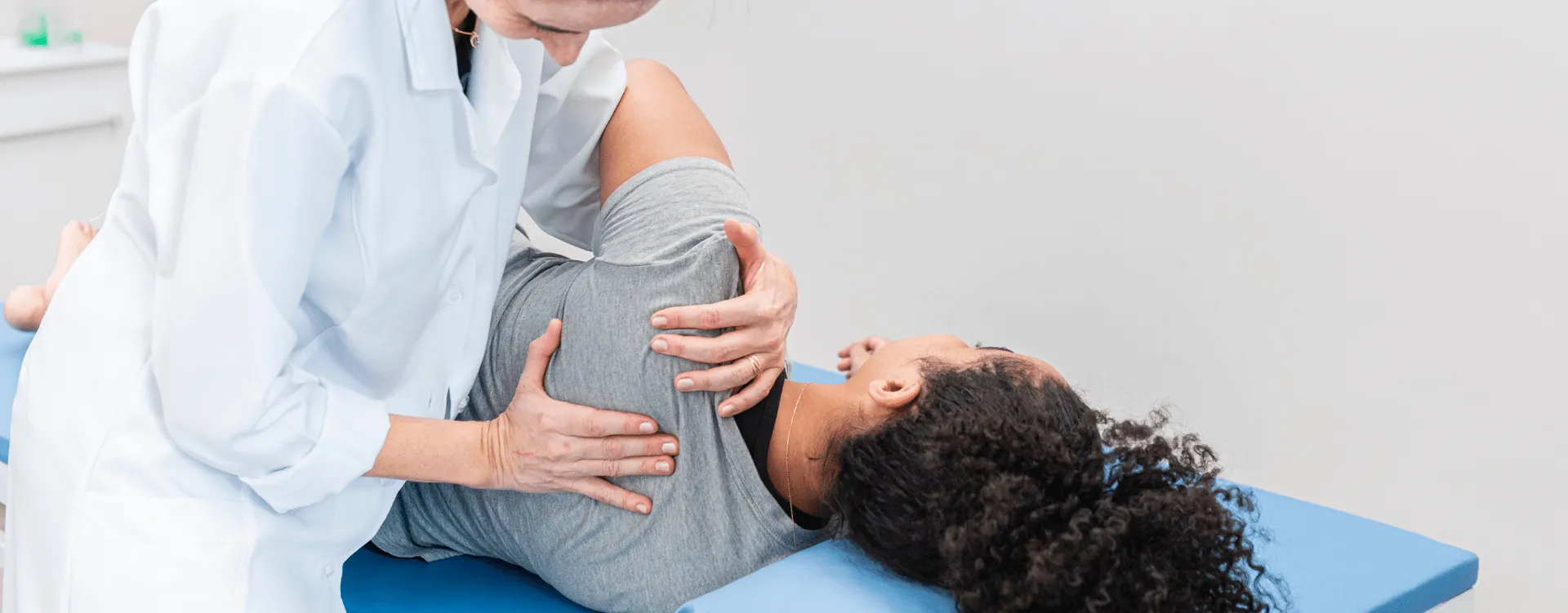
Physical therapy — also called physiotherapy — restores movement and function when you are affected by injury, illness, pain or a long period of inactivity. A physiotherapist assesses how your body moves, works out where the real problem comes from, and treats it with hands-on techniques, individually prescribed exercise and, where it genuinely helps, device-assisted therapies. The aim is simple to state: reduce your pain, restore your range of motion and strength, and get you back to the daily life, work or sport that matters to you.
Rehabilitation is the broader, structured version of the same idea. It is what you need after surgery, a fracture, a stroke or any event that changes the way you move. It is a process rather than a single treatment, and the best results come from a plan that is reviewed and adjusted as you progress — not from one machine or one miracle session.
Good physiotherapy is also detective work. Two people with "back pain" can need completely different plans, because the pain can come from a disc, a joint, a muscle, posture or a mix of all of them. That is why the first session is mostly about listening and testing, not about rushing into treatment.
Conditions We Treat
Most people who come to us fall into a handful of groups. You do not need a precise diagnosis before you book — working that out is part of what the first session is for — but the areas we work with most often are:
- Spine, back and neck: herniated disc in the lower back (lumbar) and neck (cervical), sciatica, neck and shoulder pain, spinal stiffness and posture-related strain from desk work.
- Joints: knee, hip and shoulder pain, frozen shoulder (adhesive capsulitis), osteoarthritis and rotator-cuff problems.
- Sports injuries: muscle strains, ligament and tendon injuries, ankle sprains, and structured return-to-sport rehabilitation.
- After surgery: rehabilitation following orthopaedic operations, and after knee or hip replacement.
- Hand, wrist and foot: carpal tunnel syndrome, tennis and golfer's elbow, plantar fasciitis and heel spur.
- Neurological support: movement and functional rehabilitation for stroke, multiple sclerosis and Parkinson's, always alongside the patient's medical care.
- Lymphedema and swelling: management with manual techniques and compression.
If your problem is not on this list, it does not mean we cannot help. Send us your details and we will tell you honestly whether physiotherapy is the right first step for you, or whether you should see a physician first. That honesty is the point: we would rather lose a booking than start the wrong treatment.
A Closer Look at the Problems We See Most
Lower back pain and lumbar disc herniation are by far the most common reasons people reach out. When pain starts in the lower back and travels down the leg — commonly called sciatica — it usually points to a nerve being irritated around the L4–L5 or L5–S1 level. The reassuring reality is that the large majority of these cases improve with a conservative, non-surgical plan built on manual therapy, progressive exercise and sensible load management. Surgery is the exception rather than the rule, and a responsible clinic will always try the conservative route first when it is safe to do so.
Neck pain and "tech neck" are now just as common, particularly among office workers and anyone who spends hours on a laptop or phone. A forward-head posture quietly overloads the neck and upper back, producing stiffness, tension headaches and that familiar knot between the shoulder blades. The work here blends hands-on treatment to free the restricted segments with exercise that rebuilds the postural muscles able to hold the correction over time.
Shoulder conditions — frozen shoulder, impingement and rotator-cuff pain — reward patience and a staged plan, because the shoulder recovers its range and strength in a particular order. Pushing too hard, too soon tends to set progress back rather than speed it up.
Knee and hip problems, including osteoarthritis and post-injury stiffness, respond well to a plan that balances strengthening, mobility and activity modification, so you can keep moving without constantly flaring the joint.
Foot and heel pain such as plantar fasciitis and heel spur often improve with a combination of targeted loading, manual work and, in stubborn cases, shockwave therapy.
Sports injuries are about more than healing the tissue — they are about returning to your sport without re-injury. That means restoring strength, control and confidence, not simply waiting for the pain to fade.
After surgery, timing is everything. Each operation comes with its own protocol from the surgeon: how soon you can load the area, which movements are encouraged, and which are off-limits for now. We build your rehabilitation around those instructions rather than a one-size-fits-all template.
Our Treatment Methods and Technology
We combine hands-on skill with modern, device-assisted therapy. Let us be clear about what we are and what we are not: we are a specialised outpatient physiotherapy clinic, not a large hospital packed with robotic gait machines. For most musculoskeletal and orthopaedic problems that focus is a strength, not a limitation — you work one-to-one with a physiotherapist who knows your case from the first assessment to the last session, instead of being handed between departments.
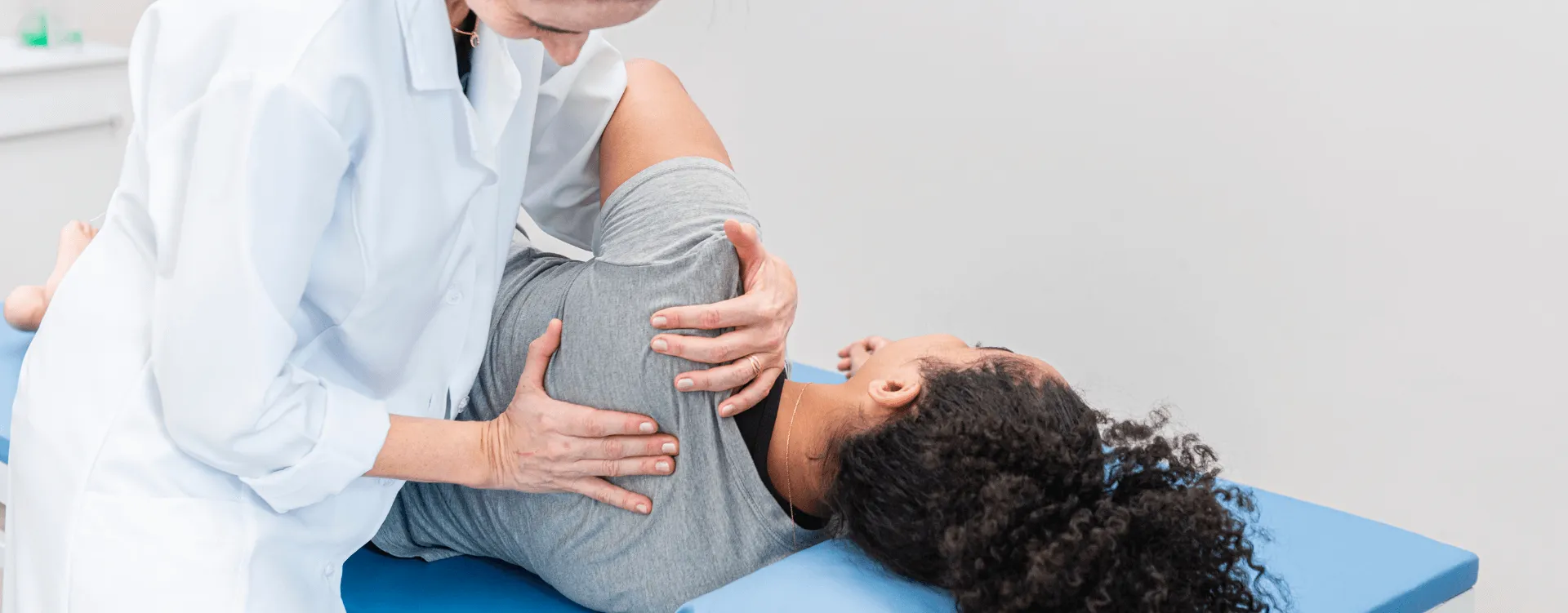
Our core methods include:
- Manual therapy — hands-on joint and soft-tissue techniques to improve mobility and ease pain.
- Clinical exercise — individually prescribed, progressive exercise. This is the backbone of lasting results; the passive treatments below support it, they do not replace it.
- HILT (High-Intensity Laser Therapy) — used for pain and deeper tissue conditions.
- Tecar therapy — targeted deep heating that can support tissue recovery.
- ESWT (shockwave therapy) — often used for heel spur, plantar fasciitis and stubborn tendon problems.
- Manuthera 242 — a dual-motor mobilisation table for controlled, repeatable spine and joint work.
- Traction and compression systems — for selected spinal cases and for swelling or lymphedema.
No single machine is "the treatment." Each one is a tool the physiotherapist chooses — or deliberately sets aside — based on what your assessment shows. If a device will not add anything for your problem, we will not use it just to fill a session.
Why Istanbul for Physical Therapy
Istanbul has become a well-known destination for medical and rehabilitation care, and there are real reasons for that: experienced clinicians, modern equipment, and prices that are frequently lower than in Western Europe, the UK, the Gulf or North America — often without the long waiting lists patients face at home. For rehabilitation specifically, the city is easy to reach and well connected, so a focused course of sessions can fit neatly around a stay in one of the world's most vibrant cities.
Still, choose carefully wherever you go. A good rehabilitation outcome depends far more on an honest assessment and a physiotherapist who follows your case than on glossy marketing or a long list of machines. Be cautious of anywhere that promises a guaranteed result, quotes a fixed price before seeing you, or pushes a large package on your first phone call. We would rather tell you that your problem needs a physician first than sell you sessions you do not need.
It also helps to think about what "quality" really means in rehabilitation. It is not the number of machines on display, the size of the building, or the length of the brochure. It is whether someone takes a proper history, examines you thoroughly, explains what they find in plain language, and adjusts the plan honestly as you progress. Those qualities travel well across borders, and they are exactly what we try to get right for every patient — local or international. When you compare clinics, look past the marketing and ask how the first assessment actually works; the answer usually tells you most of what you need to know.
English-Speaking Physiotherapy for Expats and International Patients
One of the biggest frustrations for foreigners seeking care in Istanbul is language. At Fizyoterapi Center you are assessed and treated directly in English — and in Arabic if you prefer — so nothing about your pain, your history or your plan is lost in translation. This matters more than it may sound. Rehabilitation depends on clear, two-way communication: describing your symptoms precisely, understanding your home exercises, and being able to ask questions freely as you go.
We regularly work with three groups of international patients:
- Expats living in Istanbul — in Şişli, Nişantaşı, Levent, Maslak, Beşiktaş and the surrounding neighbourhoods — who simply want a physiotherapist they can talk to properly.
- Visitors and business travellers who develop back, neck or joint pain during a trip and need reliable, English-language care without delay.
- Patients travelling for treatment who want a focused, personal outpatient programme rather than a conveyor-belt hospital experience.
Whichever group you belong to, the process is the same: a genuine assessment, a plan explained clearly in your language, and honest expectations from the very first conversation.
Practical details matter too. You can reach us by phone or message before you even arrive, describe your problem, and get a straight answer about whether we are the right fit — all in English. If English is not your first language either, Arabic is spoken at the clinic, and we will always take the time to make sure you understand your diagnosis, your options and your home exercises before you leave. Feeling understood is not a luxury in healthcare; it is part of the treatment.
What to Expect: Your Treatment Journey
Here is how a typical course of care works, step by step:
- First contact: Tell us your complaint, share any MRI, X-ray or medical reports you already have, and let us know how long you will be in the city.
- Assessment: In the first session the physiotherapist takes your history, runs movement and orthopaedic tests, and interprets any imaging together with the clinical picture. Imaging on its own never decides the treatment.
- Your plan: We agree on realistic goals and a session frequency that fits your situation. A typical session lasts around 45–60 minutes.
- Treatment: Hands-on techniques, prescribed exercise, and — where it helps — device-assisted therapy, always kept within your pain threshold.
- Home programme: You leave with clear exercises and ergonomic advice so your progress continues between visits. This is especially important if your time in Istanbul is limited.
- Review: We reassess and adjust the plan based on your range of motion and how you function in daily life.
How Many Sessions — and What Does It Cost?
The honest answer to both questions is the same: it depends, and we will not pretend otherwise. The number of sessions is shaped by your diagnosis, how long you have had the problem, and the goal you want to reach. Anyone who promises a fixed number of sessions, or a guaranteed result, before assessing you is not being straight with you.
Pricing works the same way — it depends on your condition and your plan. Instead of quoting a misleading figure online, we give you a clear, written price after the assessment. If cost predictability is important for your trip, tell us at the start and we will be transparent about the likely range and what each stage involves. Contact us and we will walk you through it before you commit to anything.
Our Clinic in Şişli / Mecidiyeköy
Fizyoterapi Center is on the European side of Istanbul, at Atakan Sk. No:7-9 D:16, Mecidiyeköy, Şişli. We are only a few minutes from the Mecidiyeköy metro and metrobus hub, which makes us easy to reach from Nişantaşı, Levent, Maslak, Beşiktaş and Taksim, from most of the city's expat neighbourhoods, and from both airports via the metro connections. On Google Maps our clinic holds a 5.0 / 5 rating across dozens of client reviews — although, as we always say, reviews are personal experiences and should never be read as a medical guarantee.
How to Book an Appointment
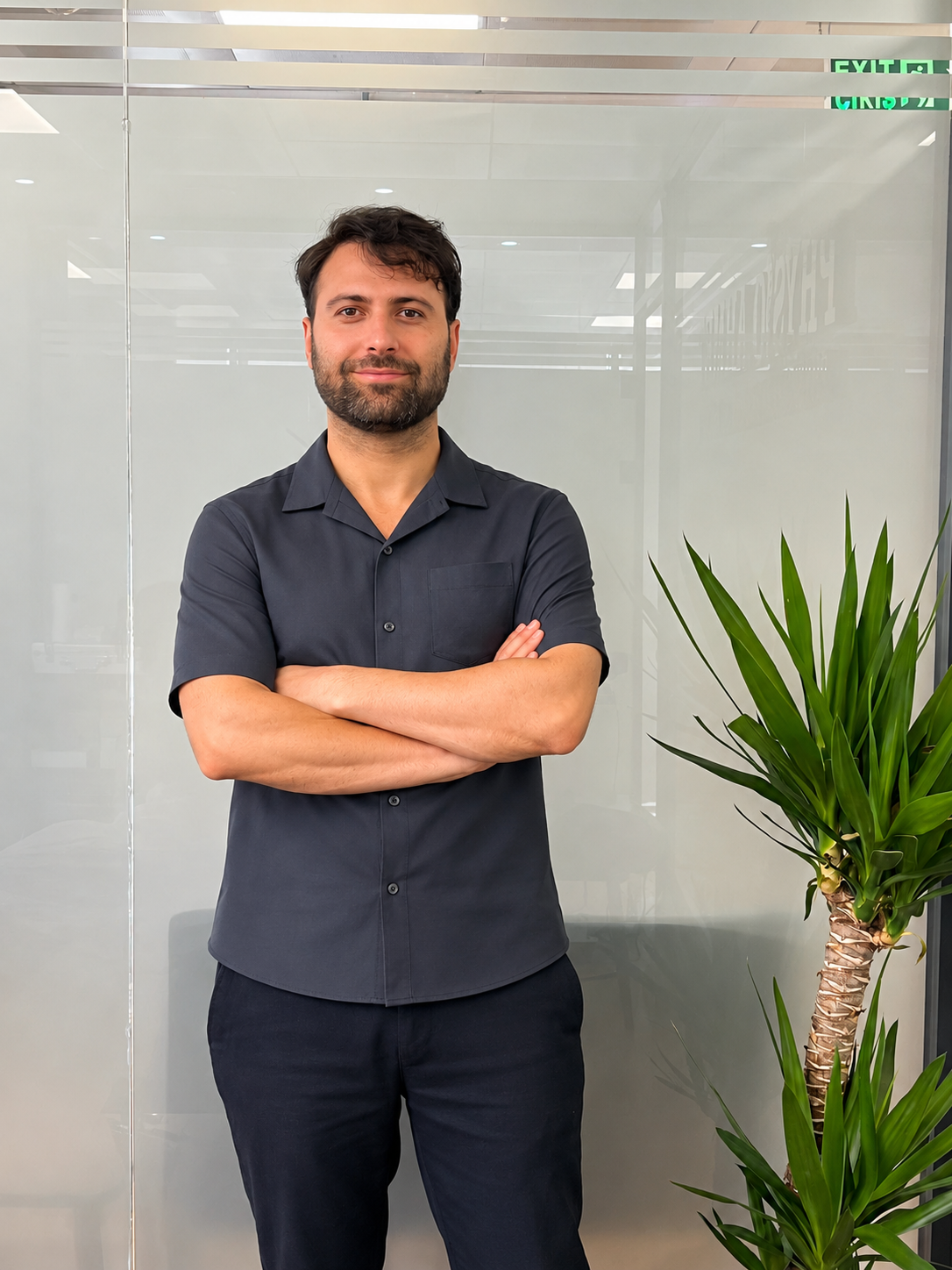
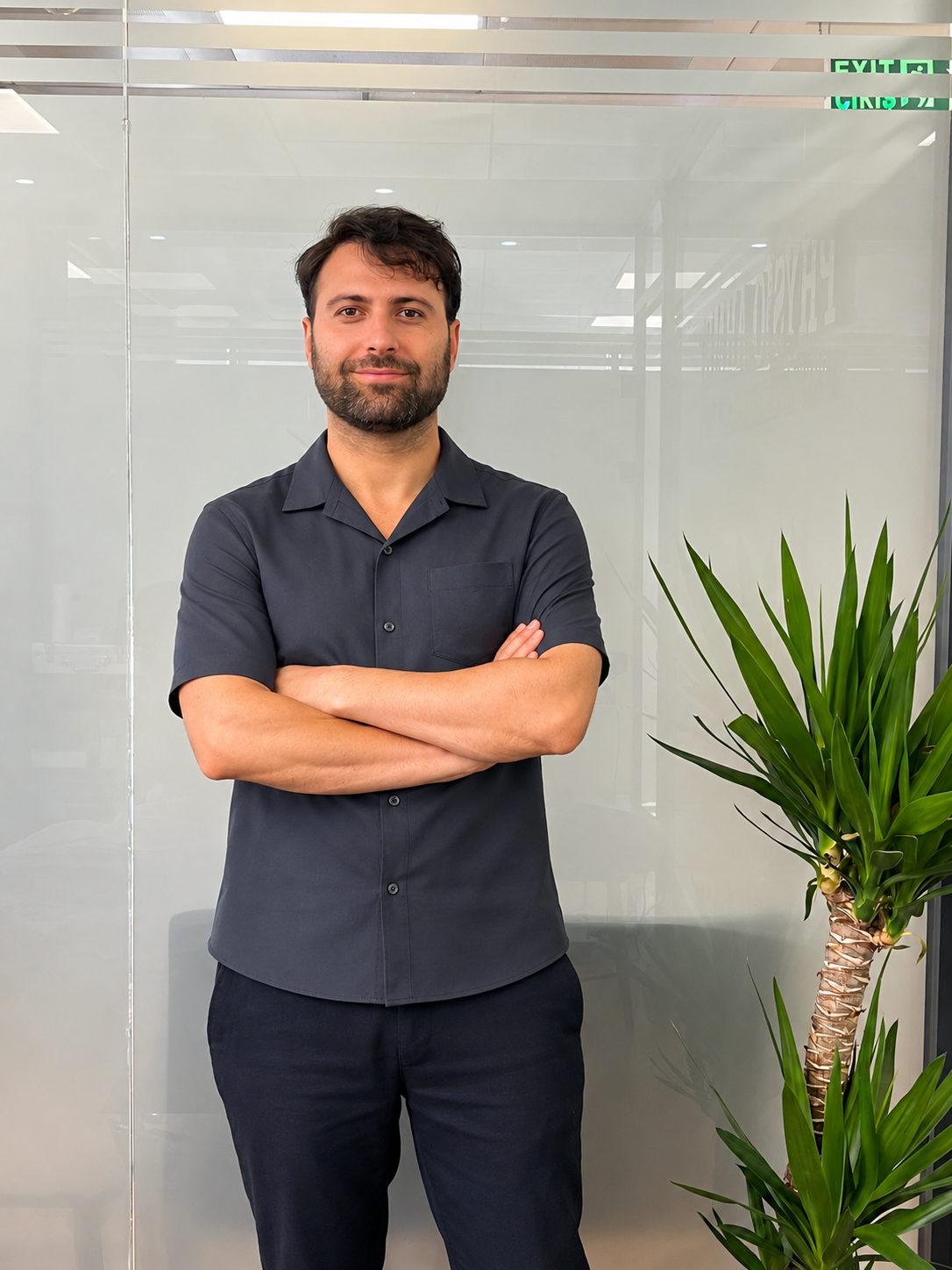
You can request an appointment online, or reach us through the contact page by phone or message. If you already have an MRI, X-ray or a physician's report, sending it before your visit helps us prepare and use your first session well. That first visit is mainly about assessment and goal-setting rather than a rushed treatment. You can also read more about your physiotherapist on the Ahmet Yıldırım profile, and about our local services on the Şişli physical therapy and rehabilitation page. For a specific technique, see how we apply manual therapy in herniated disc treatment.
Insurance, Receipts and Payment for International Patients
International patients often ask how payment and insurance work, and the honest, practical answer is that it varies — so it is worth clarifying a few points before you start rather than after:
- Private outpatient physiotherapy in Turkey is usually paid directly by the patient rather than routed through the public health system. We explain the cost clearly and in writing after your assessment, so you always know what you are paying for.
- Travel or private health insurance from your home country sometimes reimburses outpatient physiotherapy received abroad, but this depends entirely on your individual policy. If you intend to claim, tell us in advance and we will provide an itemised receipt along with any documentation your insurer typically requires.
- Ask for what you need up front. Whether it is a detailed invoice, a written summary of the sessions provided, or a short note of your diagnosis and plan, request it at the beginning and we will prepare it properly before you leave.
- Confirm payment methods. Check accepted payment options when you book, especially if you are paying with a card issued outside Turkey, so there are no surprises on the day of your visit.
We keep this side of things deliberately simple and transparent. You should always understand what you are paying for and why, with no surprise packages quietly added to your bill and no pressure to commit to a long programme before you are ready. If anything about cost or paperwork is unclear, please ask before your first session rather than afterwards — we would far rather answer the question early and set the right expectation than leave you guessing.
Planning Your Visit: Practical Tips for International Patients
If you are travelling to Istanbul specifically for rehabilitation, a little planning makes the difference between a frustrating trip and a genuinely productive one. A few things are worth knowing before you arrive:
- Allow enough days. Rehabilitation is rarely a single visit. Even a short, focused block usually means several sessions spread across your stay, spaced to give your body time to respond. When you contact us, share your dates and we will suggest a realistic session pattern for the time you have.
- Bring your records. Any MRI, X-ray, ultrasound or operation report — ideally the images themselves, not only the written summary — helps us understand your case quickly and make the most of your first session.
- Expect a home programme. A large part of your progress happens between sessions. You will leave with clear exercises and ergonomic advice, which becomes especially valuable when your time in the city is limited or when you continue the work at home afterwards.
- Value continuity. Working with one physiotherapist who follows your case from the first assessment to the last session gives more consistent results than being passed between different people each visit. That continuity is one of the real advantages of a focused outpatient clinic.
- Ask about follow-up. If you head home partway through a programme, we can talk through how to continue your exercises safely and what milestones to look out for, so the momentum does not stop at the airport.
Above all, arrive with realistic expectations. Rehabilitation rewards consistency and an honest assessment far more than it rewards the newest device or the boldest promise. If that is the kind of care you are looking for, you will feel at home with us.
When to See a Doctor First
Physiotherapy is safe and effective for a wide range of problems, but some symptoms need a physician before any rehabilitation begins. Please seek medical or emergency care first if you have:
- Sudden loss of strength, or numbness that is spreading
- A change in bladder or bowel control
- Severe pain following an accident or fall
- Fever, unexplained weight loss, or night sweats alongside your pain
- Chest pain or shortness of breath
If any of these apply to you, please prioritise a medical assessment. A responsible physiotherapist will also refer you onward if the examination raises one of these red flags — and we will do exactly that.
A Final Word
Choosing where to have physical therapy in a foreign city is a decision about trust as much as technique. We have tried to give you the honest version here: what we treat, how we work, what to expect, what it may cost, and where our limits are. If that approach suits you, we would be glad to help — in your language and at your pace. This page is for general information and does not replace an in-person assessment; your plan is always built individually, around you.
Book a physical therapy assessment in Şişli, Istanbul
Share your complaint, reports and dates; we will plan your assessment in English at our Şişli clinic.
References
- Physiotherapy — NHS
What physiotherapy is, what it treats and what to expect (UK National Health Service).
- Fizyoterapi Center — Google Maps
Our clinic location and client reviews in Şişli / Mecidiyeköy.
- Your physiotherapist: Ahmet Yıldırım
Education, focus areas and languages spoken (English, Turkish, Arabic).
- Instagram: @physio.ahmet
Photos from the clinic and informative posts.
Frequently asked questions
Do you offer physical therapy in English in Istanbul?
How much does physical therapy cost in Istanbul?
Can I get physiotherapy as a visitor or tourist in Istanbul?
What conditions do you treat?
Do I need a doctor's referral for physiotherapy?
How many sessions will I need?
Where is your clinic located?
How do I book an appointment?
Is physical therapy in Istanbul good quality?
Related Content
İstanbul'un En İyi Fizyoterapisti: Ahmet Yıldırım
Omurga Problemleri
Şişli'nin En İyi Fizyoterapisti: Ahmet Yıldırım
Omurga Problemleri
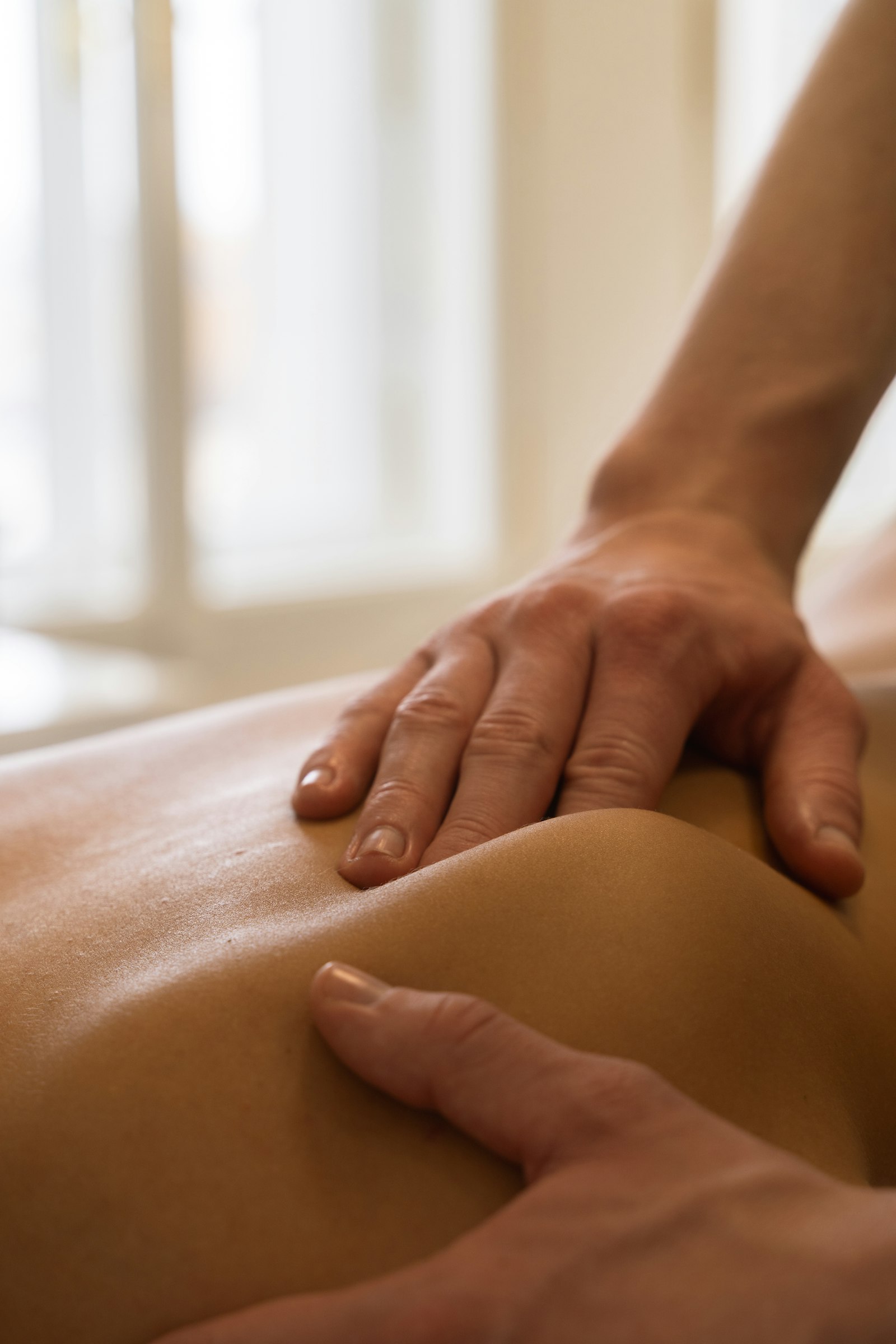
Medikal Masaj Nedir? Şişli Fizyoterapi Rehberi
Kas ve Yumuşak Doku Problemleri · Kas Spazmı
Reviews
A selection from verified experiences.
Emre Gözükara
GoogleMayıs 2026
Öncelikle herkese çok gecmis olsun 2023 tarihinde hoca fıtık ameliyati olucaksin demisti fakat ben ameliyattan korkan bir insann oldugum icin bir cok arastirma sonucu ahmet hocayi buldum hocamdan allah razi olsun beni ameliyattan kurtardi . Ayrica calisanlar güler yüzlü kibar insanlar . Tesekkurler
aykut aydoğdu
GoogleMayıs 2026
İlk gittiğimde ağrılarım oldukça fazlaydı bel ağrisindan yürüyemiyordum bile uygulanan tedavi ve yönlendirmeler sayesinde kısa sürede farkı hissettim ve 2 ci gün ayağa kalktm Ahmet bey işinde çok ilgili, sabırlı ve açıklayıcıydı. Süreç boyunca kendimi güvende hissettim. Kesinlikle tavsiye ederim.
cenk demiray
GoogleMayıs 2026
Ahmet hoca ve ekibi gercekten cok basarililar. Herhangi bir agriya en etkili tedavi metodunu bulur ve uygularlar. Kendilerine tesekkur ediyorum.
Memik ÇAĞLAR
GoogleMayıs 2026
İlgisi, deneyimi,İşini ciddiyetle yapması, Sınırlarını muhafaza etmesi ve merkezi yerde olması sebibi ile çok memnun kaldığımı ifade ederek ilgilenenleri doğru bilgilendirmek istedim.
Kaan Beyazkılınç
GoogleMayıs 2026
"Yaklaşık iki yıldır Fizyoterapist Ahmet Bey ile tedavi sürecime devam ediyorum ve bu süre zarfında katettiğimiz yol gerçekten inanılmaz. Ahmet Bey ile tanışmadan önce pek çok doktor ve fizyoterapiste başvurdum ancak maalesef kalıcı bir sonuç alamamıştım. Yollarımız Ahmet Bey ve ekibiyle kesiştiği günden beri sadece sağlığımda değil, yaşam kalitemde de büyük bir değişim oldu. Klinikteki tüm ekip işini gerçekten çok profesyonelce, titizlikle ve güler yüzle yapan bir kadro. Sadece bana değil; anneme, babama ve kardeşime de destek olarak adeta ailemizin fizyoterapisti oldular. Kendi sağlık durumumdan bahsetmem gerekirse; bel fıtığı, lordoz, omurgamda stres kırığı ve bel kayması gibi zorlu bir tabloyla sürece başladık. Eskiden spor yapmak benim için imkansızken, şimdi Ahmet Bey ve ekibinin gözetiminde sporu da hayatıma dahil ederek ilerliyoruz. Her şeyi zamana yayarak, doğru adımlarla çözüme ulaştık. Başta Ahmet Bey olmak üzere tüm ekibe sonsuz teşekkür ederim"